What to Do If Someone Pretends to Be Me on Social Media?

Social media impersonation is one of the common issues these days because these platforms have become the primary way we represent ourselves online. Whether for personal networking, business promotion, or creative expression, platforms like Facebook, Instagram, TikTok, LinkedIn, and X, formerly Twitter, shape how others perceive us.
Unfortunately, this visibility also makes us vulnerable to impersonation, which is a situation where someone creates a fake profile pretending to be you. This type of identity misuse, often involving false information, is definitely frustrating. It causes real-world harm, but the good thing is that it can be legally actionable under specific local laws. So, today, I am going to answer the question – is it illegal to impersonate someone online. So, today, I’m going to aanswer the question – Is it illegal to impersonate someone online?
At NonDetected, we have professionals who know how to deal with such scenarios, and they are ready to share some useful information with you. It is worth being aware of the issue because it is a common thing these days.
The Growing Danger of Social Media Impersonation
This is a situation where someone creates a fake social media account to deceive users without the person’s permission, using someone else’s pictures, name, and personal details, which is often done with malicious intent.
Before you find out, is it illegal to impersonate people online, you might want to know what the common motivations are:
- Scamming followers or friends for money or information.
- Damaging your reputation or business.
- Harassment, revenge, or intimidation.
- Creating confusion or chaos, especially for public figures.
- Gaining influence by mimicking popular profiles.
Shocking Statistics
- According to the FTC, impersonation scams, including social media, caused nearly $3 billion in consumer losses in 2024 alone.
- The FBI’s Internet Crime Complaint Center (IC3) reports that social media-related fraud cases have increased by 150% since 2021.
- A study from the University of California found that one in five influencers have been impersonated on at least one online platform.
It is also important to understand that impersonation goes beyond reputational damage because such issues tend to include emotional distress, financial fraud, and loss of trust with your audience.
What Are The Different Types of Online Impersonation?
Is online impersonation illegal? Before you get the answer to this question, you should know what the major forms of online impersonation are. This will help you understand the issue better because each of these types comes with its own challenges.
Individual Impersonations
This form of impersonation mostly targets individuals to perform unauthorized access, scams, or even activities like blackmail with the help of personal information. It means that the fraudsters create fake profiles to trick others, which often leads to emotional distress or financial losses of an actual person. They might also get and misuse personal information to increase the threat severity and pressure victims.
Business Impersonations
In the case of businesses, especially large companies, the impersonation risks often go beyond damage to their brand reputation. The thing is that fake accounts can lead to significant security risks because clients interact with them, thinking that they are engaging with a legitimate business.
Such a situation can result in customers becoming victims of dangerous links or deceptive offers, so their personal details and device security are at risk.
Social Media Impersonation Accounts
Many influencers and creators want to know how to remove impersonation in social media like TikTok or Instagram because they often face impersonation issues. Fake profiles emulate the real ones, so they gain followers and distract attention from the true content creators.
These pretenders might even engage in different schemes, like promoting dubious products or asking for funds for nonexistent business ventures. Such actions directly challenge the real creator`s creativity and efforts.
Is It Illegal to Impersonate Someone Online on Social Media Accounts?
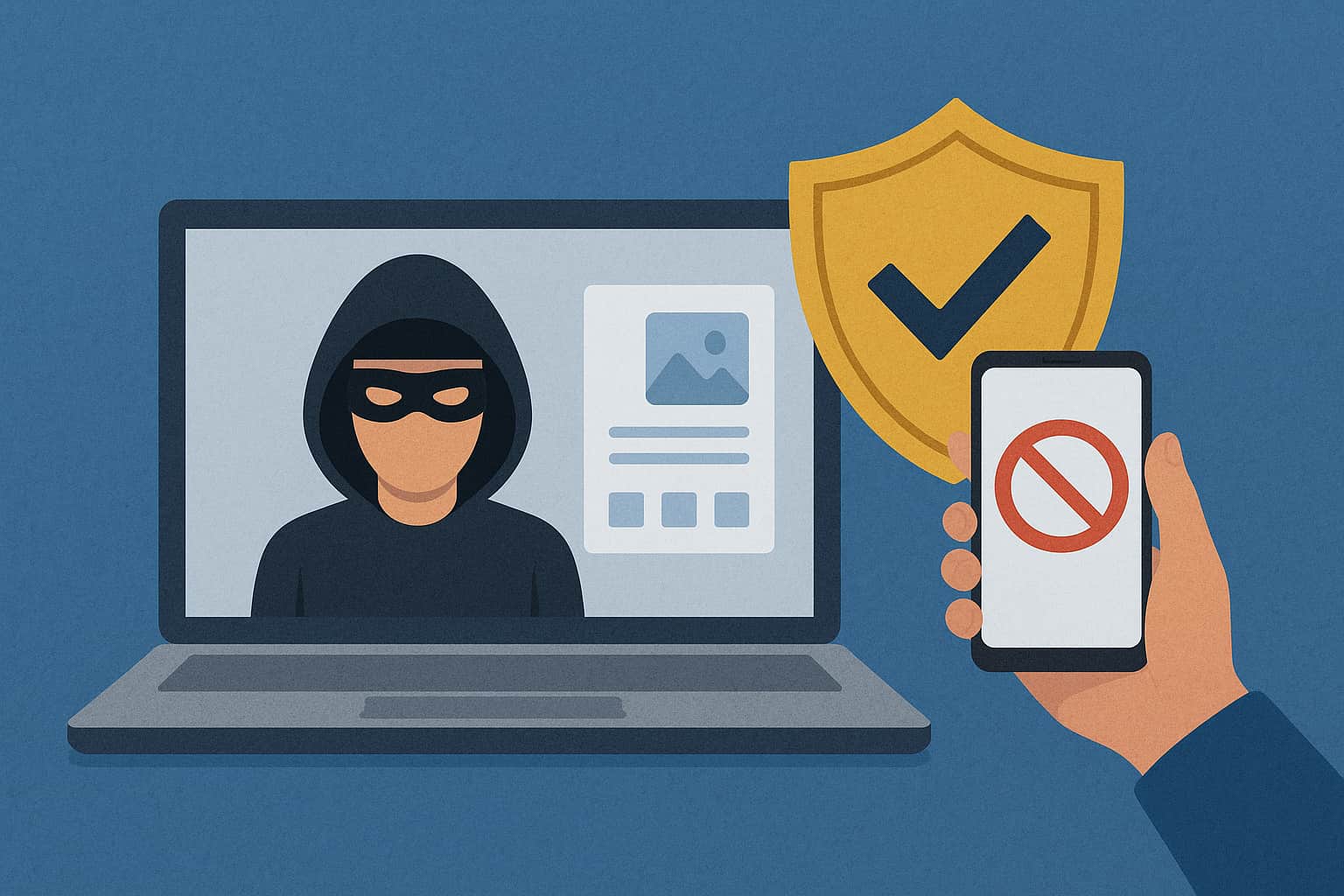
The main question here is whether it is legal to pretend to be someone else on social media. You should understand that such things are recognized as unlawful actions in many countries worldwide. This is especially true when the issue involves defamation, fraud, harassment, or the unauthorized use of personal details.
Even though certain online impersonation laws can differ by country and jurisdiction, specific legal principles and protections work internationally.
Legal Violation and Platform Policies
All popular social media platforms have straightforward terms of service that prohibit impersonation. If someone opens a fake account with the help of your identity, it most probably violates those rules and can lead to account removal or suspension.
At the same time, breaking such terms does not automatically constitute a legal offense. Legal action tends to require evidence of personal harm, malicious intent, or unlawful use of information.
Common Legal Protections in Case of Impersonation Attacks
- Identity protection laws. Is impersonating someone on social media illegal? Many jurisdictions have introduced laws that make it illegal to utilize someone else`s name or identity without consent. This is especially true when the intent is to defraud, deceive, or cause significant harm. These laws often apply to both online and offline impersonation, including social media.
- Fraud and misrepresentation. If the goal of the impersonation is to obtain information, money, or influence through deception, the action can be classified as fraud. In this case, the situation can lead to criminal or civil liability, depending on the severity and outcome of the actions. So, can you go to jail for impersonating someone? This is possible.
- Harassment and emotional distress. In situations where impersonation is utilized to harass, bully, or intimidate someone, legal protections against such things can be invoked. Victims can pursue restraining orders or seek damages.
- Defamation and false representation. If the impersonator posts false statements or harmful content under your name, it may be considered defamation. Legal claims can be filed for reputational damage, especially when such content is viewed publicly or shared widely.
- Right of publicity. Many legal systems recognize an individual’s right to control the commercial use of their name, image, or likeness. That is why if it happens in an unauthorized way for profit or promotional gain through fake profiles, the action may violate these rights.
- Data protection and privacy laws. Regulations focused on personal data protection tend to address the misuse of names, images, and other identifying data. Impersonation that involves publishing private data or images without consent may breach privacy regulations and result in legal consequences.
Civil and Criminal Remedies for Online Identity Theft
While trying to figure out is it illegal to pretend to be someone else online, you should understand that depending on the nature of the impersonation and the applicable laws, victims may pursue:
- Civil claims for damages, injunctions to remove content, and compensation for emotional or reputational harm.
- Criminal complaints if the impersonation involves fraud, harassment, or other illegal activities. Penalties may include fines, imprisonment, or both.
Legal Consequences (Processes and Enforcement)
Enforcing laws against social media impersonation often requires:
- Documentation of the impersonation, such as screenshots, one or more messages, URLs, etc.
- Identification of the impersonator, which may require platform cooperation.
- Filing of formal complaints with law enforcement or civil courts
- Legal representation to pursue claims or defend rights.
In many cases, working with legal professionals or takedown services, such as NonDetected, can speed up the process and ensure that your rights are effectively protected.
What Are My First Actions in Case of Online Impersonation?
Now that you know that is it illegal to pretend to be someone else on social media, you should learn what actions are required in the first place if the issue occurs. Further, you can find a few guidelines from NonDetected.
You Should Gather Evidence
When you discover that someone is impersonating you on social media, the first and most important step is to collect evidence. It is important to take detailed screenshots of the fake profile, including posts, messages, and the account’s URL.
If any friends or followers have interacted with the impersonator, you should ask them to provide statements or screenshots to verify the fraudulent activity. This documentation is essential for reporting and potential legal actions.
You Need to Report to the Platform
The next thing that you should do is to report the issue directly to the social media platform. The majority has certain reporting options for such cases.
| Social Media Platform | How to report? |
| Report > “Pretending to be Someone” | |
| Report Profile > “Pretending to be Me” | |
| TikTok | Account Settings > “Report Impersonation” |
| X (Twitter) | Help Center > “Report Impersonation” |
| YouTube | Channel Settings > “Report User” |
| Report > “Fake Profile” |
You Should Let Your Network Know
Is impersonating someone illegal? It is not legal, so you should inform your network after you submit the report. For this purpose, you can post a public warning on your official or verified social media profiles to let others know about the situation.
It is important to say that an impersonator is active and encourage them to report the fake account. This step can help prevent further harm, such as scams or phishing scams attempts that rely on trust in your identity.
You Should Enhance Your Digital Identity
Once you have addressed the immediate threat, you should take steps to protect your digital presence. For example, you can enable two-factor authentication on all your accounts to enhance security.
It is also a good idea to apply for verification badges, such as the blue checkmark, to confirm that your account is authentic.
Setting up Google Alerts for your name and the use of monitoring tools is a must if you want to keep track of any future impersonation attempts.
How NonDetected Can Help You?
Social media impersonation is more than an inconvenience or harmless fun because it can damage reputations, destroy trust, and open the door to fraud and harassment. Most platforms provide some tools for reporting, but these options may be slow or ineffective.
Can you sue for impersonation on social media? Legal remedies exist, and with proper documentation, you can pursue civil or criminal action.
If you are dealing with slow platform responses or stubborn impersonators, a better solution would be to ask for help from professional removal services that offer fast, effective, and discreet solutions.
We Will Report Impersonation Accounts for You
At NonDetected, we know how to remove social media impersonation and prevent it across all major platforms. Moreover, our specialists have extensive experience and various working methods to solve the issue quickly. It means that you can expect:
- Direct platform escalation and takedown requests.
- Legal documentation preparation, including DMCA, cease-and-desist letter (electronic mail), etc.
- Monitoring and suppression of recurring impersonator accounts.
- Search engine content removal and de-indexing.
Our experts understand how critical it is to act fast with social networking sites, and we know that you might feel depressed in such situations. We are here to help you at any moment.


